Blankets and quilts are essential textiles that provide warmth, comfort, and thermal insulation across seasons. This category highlights materials, construction methods, and care considerations to help families select pieces that align with health, safety, and sleep quality. Understanding fiber types, weave patterns, and weight classifications supports informed decisions for varied climates and usage scenarios.
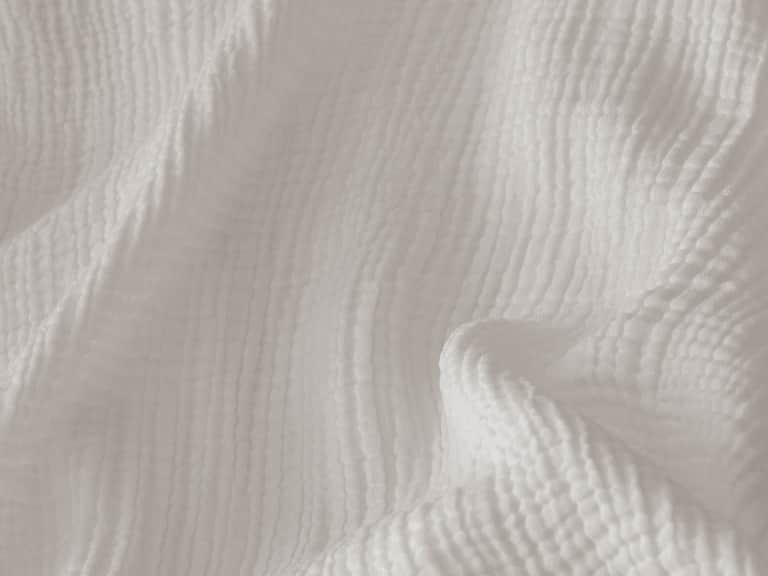
Common blanket materials include cotton, wool, and synthetic blends, each offering distinct benefits in breathability, durability, and warmth. Organic certifications and non-toxic finishes may influence suitability for sensitive sleepers and nursery environments. Educational guidance on layering strategies and garment-style warmth helps manage temperature regulation for children and adults alike.
Quilts combine fabric panels, padding, and stitching to create a versatile layering option. They can serve as decorative accents or functional bed coverings, with variations in weight, warmth, and size. For nurseries and toddler spaces, quilt designs often emphasize softness, hypoallergenic fillings, and easy maintenance to support healthy sleep routines.
Additional considerations include fabric care needs, washability, and durability under frequent use. The category emphasizes compatibility with bedding systems, including beds, cribs, and toddler beds, while noting practical benefits such as easy laundering and quick-drying properties. Insights into seasonal transitions help optimize comfort without compromising safety and hygiene.
Featured items in this category illustrate how different materials, weaves, and fills translate to daily usability. For example, a Free New Bedcover can demonstrate practical features like machine-washable construction, breathable weaves, and reversible design benefits. The content integrates keywords such as bedding, organic mattresses, organic crib mattresses, nursery, and organic crib bedding to support educational clarity and search relevance.
 Bedding