Bedding & Sleep Environment
Sharing a Sleep Space with Pets: Washable Layers and Allergen Control
A pet on the bed can make bedtime feel more like home. It can also bring fur, dander, dust and outdoor debris into the place where you spend hours resting. The answer is rarely an all-or-nothing rule. With washable layers, steady cleaning habits and a little planning, you can make a shared sleep space easier to maintain—and more comfortable for everyone in it.
For many households, pets are not visitors to the bedroom. They are part of its nightly rhythm: a cat settling at the foot of the bed, a dog curling into a familiar corner, a tumble of fur that appears on freshly laundered sheets almost as soon as they are made. That closeness can be comforting. It also changes the care routine.
Pet hair and dander collect on fabric, while paws and coats can carry in pollen, soil and other material from outside. These particles do not make a bed automatically unsafe or unsanitary. But they can accumulate, become noticeable, and aggravate symptoms for people sensitive to particular allergens. A practical approach is to create a bedding system that is easy to clean, then make the surrounding room part of the routine.
The goal is not a spotless bedroom at every moment. It is a manageable one: a sleep environment where the layers closest to you can be washed, the mattress is protected from avoidable mess, and routine cleaning prevents debris from spreading. The most useful plan is usually the one you can repeat without turning bedtime into a housekeeping project.
What pets bring into the bed
“Pet hair” is often used as shorthand for every pet-related allergen, but hair itself is not the only consideration. Dander—tiny flakes of skin—and proteins associated with an animal’s saliva or urine can be carried on fur and transferred to bedding. The amount and distribution vary by animal, household and routine. A pet that sheds little can still leave allergen-containing material behind.
Outdoor debris is a separate issue. After time outside, paws and coats may bring in dust, grass, pollen or damp soil. A pet that moves between the yard, sofa and bed can distribute that material across several surfaces. The effect is cumulative: a few hairs or a trace of dust may be easy to miss, while repeated contact adds up on sheets, blankets, rugs and upholstered furniture.
Knowing the difference matters because no single cleaning action handles everything. A lint roller can lift visible hair, but it is not a substitute for laundering. Washing sheets removes fabric-borne residue more thoroughly than simply shaking them out. Vacuuming the floor and nearby upholstery addresses material that never reaches the washer. A layered approach works because it treats the bed and the room as parts of the same environment.
If someone in the household has persistent allergy or asthma symptoms, cleaning can be one part of reducing exposure, but it cannot identify the cause or replace medical advice. Symptoms may have many triggers. Discuss ongoing concerns with a qualified health professional, particularly when they are disruptive, worsening or difficult to manage.
Build the bed in washable layers
The easiest bed to keep clean is one designed for ordinary laundry-day realities. Start with the items that touch the sleeper and the pet most directly: a fitted sheet, pillowcases and a washable top layer. Depending on the household, that top layer might be a blanket, coverlet or dedicated pet throw placed where the animal usually rests.
A designated throw offers a simple boundary without requiring a nightly negotiation. It can be spread over a favorite spot before the pet climbs up, then lifted, shaken outdoors when appropriate, or laundered according to its care label. Choose a size that covers the area the animal actually uses. A small blanket that slides off the bed is less helpful than a layer that stays in place.
For the bedding itself, prioritize care instructions you can realistically follow. Cotton, cotton blends and other washable fabrics can be practical choices, but the fiber name alone does not determine ease of care. Construction, color, drying requirements and label guidance all matter. A fabric that needs special handling may be less convenient in a home where bedding needs frequent washing. Check the care label before buying or washing, and avoid assuming that a hot cycle, bleach or high-heat drying is appropriate.
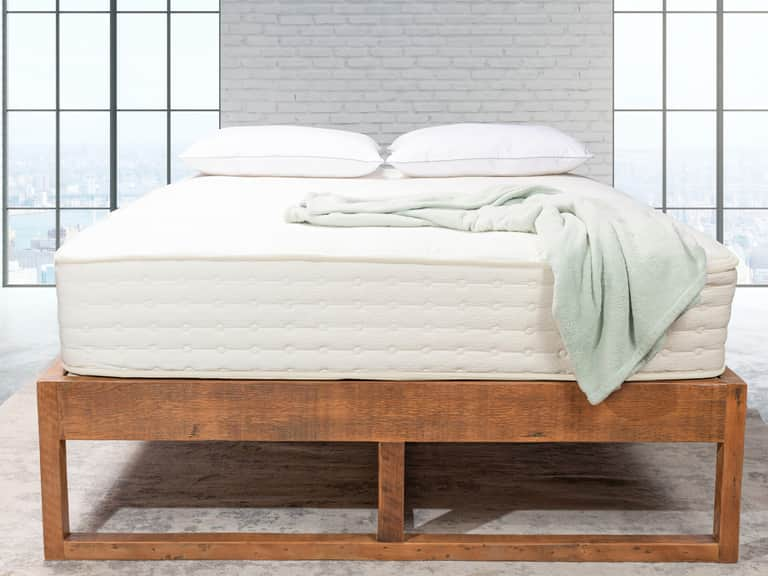
Mattress protection can also help contain spills, sweat and accidents before they reach the mattress surface. A protector should fit securely and be compatible with the mattress and bedding. Read its instructions: waterproof layers, elastic edges and fabric finishes can have specific washing and drying requirements. Protection is useful, but it is not a reason to ignore the rest of the routine. Sheets and throws still need regular care, and any wet material should be dealt with promptly.
Keep one or two spare washable layers within reach. A clean backup turns an unexpected muddy-paw incident or shed-heavy week into a quick change rather than a reason to postpone laundry. It also makes rotation easier: one layer can be on the bed while another is being washed and dried.
Laundry: let the label set the rules
There is no universal washing schedule that suits every pet, person and home. A dog that spends time outdoors and sleeps on the bed every night creates a different cleaning pattern from an indoor cat that rarely settles near pillows. Shedding seasons, household allergies, warm weather and visible dirt can all shift what feels necessary. Use a regular baseline, then adjust based on what you see and how people in the home feel.
For many households, washing sheets and pillowcases weekly is a useful starting point. A pet’s dedicated throw may need more frequent laundering, especially if it gathers visible hair, smells musty or becomes soiled. Wash bedding sooner after an accident, a muddy outing or a spill. The important habit is not chasing an exact number; it is keeping a dependable cycle that prevents residue from building up unnoticed.
Before loading the washer, check each item’s label and separate pieces that require different care. Remove loose hair first with a lint brush, fabric roller or a shake outdoors where practical. This can reduce the amount of fur that ends up in the machine. Do not overload the washer: bedding needs room to move so detergent and water can circulate. Use the detergent and cycle appropriate to the fabric, and dry items fully before putting them back on the bed.
It can be tempting to reach for strong fragrances or extra cleaning products to make a room smell fresh. A clean scent is not proof that allergens or residue have been removed. Fragranced products can also bother some people. A straightforward wash, careful drying and prompt attention to soiled fabric are often more useful than layering on scent. Follow product directions and avoid mixing cleaning chemicals.
When hair clings stubbornly to a blanket, try a fabric-safe removal tool or a wash routine recommended by the manufacturer. Avoid improvised treatments that may damage fibers, clog appliances or leave residues. If a textile’s label says not to machine wash, respect that instruction and use the recommended cleaning method.
A small routine beats an occasional overhaul
Regular care is easier when it is divided into small actions. A quick pass with a lint roller can take less time than stripping the entire bed. A weekly sheet change gives the routine a predictable anchor. A scheduled vacuum helps prevent hair and dust from accumulating around the bed. None of these steps needs to be elaborate; consistency is the point.
A flexible bed-care rhythm
- Daily or as needed: Remove visible hair, wipe muddy paws before the pet comes indoors, and replace a visibly soiled throw.
- Weekly starting point: Launder sheets and pillowcases; wash the pet’s blanket if it has collected hair, odor or outdoor debris.
- Regularly: Vacuum the floor around the bed and clean nearby upholstered surfaces, following the equipment and fabric instructions.
- When needed: Wash after spills, accidents, heavy shedding or a particularly dirty outdoor outing.
- Periodically: Check the mattress protector, bed frame and less visible areas for lint, dust or signs of moisture, and clean them using their care guidance.
This is a framework, not a test of household virtue. If a weekly wash is not workable, choose a realistic interval and build from there. A routine that happens reliably is more effective than an ideal schedule that collapses after a few days. Families may find it helpful to assign one simple task to each laundry day, while renters or students can keep a compact laundry basket and washable throw near the bedroom for a low-friction reset.
Keep outdoor debris from becoming indoor bedding
Prevention starts before the pet reaches the mattress. A quick paw check after walks, time in the garden or wet weather can catch grit and moisture at the door. Keep a pet towel near the entry, and use it only as directed for the animal and its coat. For a long-haired pet, a gentle brush before bedtime can help remove loose fur before it lands on sheets. Grooming should suit the animal’s needs; if you are uncertain about tools or frequency, ask a veterinarian or qualified groomer.
It helps to create a landing zone for outdoor gear. Store leashes, towels and paw-cleaning supplies near the entrance rather than on the bed or bedroom floor. If the pet has been in wet or muddy conditions, give its coat and paws time to dry before inviting it onto bedding. This reduces dampness and visible dirt, and makes the next laundry load less of a rescue mission.
Rules need not be elaborate, but they should be consistent. A pet that is allowed on the bed only after paws are clean will learn a clearer routine than one met with changing expectations. Some households prefer the pet to sleep on a washable blanket at the foot of the bed; others use a nearby pet bed. The practical choice is the arrangement that provides comfort while allowing easy cleaning.
Bedroom doors and washable throws can create useful boundaries, but there is no one correct arrangement for every home. If a household member is particularly sensitive to allergens, keeping the pet out of the bedroom may be worth discussing with a health professional. Where pets do share the room, a designated resting area and frequent laundering can help make the space more manageable.
Clean the room around the bed
Allergen control does not stop at the fitted sheet. Pet hair settles on floors, rugs, curtains and upholstery, then can move back onto bedding through contact or air currents. Give attention to the area beneath and beside the bed, where dust and lint can collect. Vacuum according to the floor and rug manufacturer’s guidance, and use attachments suited to nearby furniture. A damp cloth can pick up dust from hard surfaces without scattering it into the room.
Wash or clean pet blankets and bed covers on a schedule, and check the care label before treating pet beds. Some have removable covers that make routine washing simple; others require a different method. If a pet bed is placed next to the human bed, it deserves the same practical attention as the bedding: look for loose hair, moisture and odors, and clean it before those signs become persistent.
Ventilation can make a bedroom feel fresher, although opening windows is not always helpful for someone sensitive to seasonal pollen or outdoor air. Choose based on conditions and personal needs. If you use an air cleaner, follow its manufacturer’s instructions for room size, filter replacement and maintenance; no device eliminates the need to clean fabrics and surfaces.
Clutter makes cleaning slower and creates more places for dust and hair to collect. A hamper with a lid, a washable mat near the door and a small storage spot for grooming supplies can simplify the whole process. These are not special pet products so much as ordinary organizational choices that reduce friction. The less effort it takes to reset a room, the more likely that reset is to happen.
Comfort matters, too
Cleanliness should support a comfortable sleep environment, not turn the bed into a rigid arrangement. A washable pet layer can soften the compromise: the animal gets a familiar place to settle, while the main bedding stays easier to maintain. Choose a layer that does not bunch or slide in a way that disrupts sleep. If warmth is a concern, consider how an additional blanket changes the bed’s temperature and remove it when it is not needed.
Pay attention to moisture and odor. Damp bedding should be removed and dried fully rather than covered with another layer. A mattress or textile that remains wet can be difficult to clean and may develop persistent odor. Treat spills promptly, blot rather than rub when appropriate for the fabric, and follow the manufacturer’s cleaning directions. Avoid soaking a mattress unless its instructions specifically permit it.
Sleep arrangements can evolve. A new pet, a change in shedding, a move to a smaller room or a shift in someone’s allergy symptoms may call for a different setup. Try one adjustment at a time—such as adding a dedicated blanket or moving the pet’s bed beside the human bed—so it is easier to see what is helpful. If sleep is being disrupted or symptoms persist, seek advice rather than assuming that more frequent cleaning alone will solve the problem.
Common misconceptions about pet-friendly bedding
- “A low-shedding pet leaves no allergens.” Shedding is not the only way pet-related material reaches bedding. Dander and other residues may still be present.
- “A lint roller cleans the bed.” It is useful for visible hair, but it does not replace washing fabric or cleaning nearby surfaces.
- “The strongest detergent is the best choice.” More product is not automatically more effective. Follow the label and detergent directions; excessive or unsuitable products may leave residue or harm fabric.
- “Only the sheets need attention.” Throws, pillowcases, mattress protectors, pet beds, rugs and floors all contribute to the room’s overall cleanliness.
- “A clean-smelling room is an allergen-free room.” Fragrance can mask odors, but it does not establish that allergens have been removed. Cleaning should focus on washable materials and surfaces.
These distinctions keep the routine grounded. The aim is not to promise a completely allergen-free bedroom—an unrealistic standard in most homes—but to reduce avoidable buildup and make the bed easier to refresh.
A practical setup for different households
In a small apartment, the bed may be the only comfortable resting place for both pet and person. A compact, washable throw and a lidded laundry hamper can make the arrangement work without requiring extra furniture. Students and renters can focus on easy-care layers and a consistent vacuuming schedule, rather than investing in a complicated cleaning system.
In a family home, different bedrooms may need different rules. A pet might share a room with one adult but stay out of a child’s room, or sleep on a dedicated blanket rather than beneath the covers. Keep expectations clear for everyone who cares for the animal. For infant sleep spaces, follow current safe-sleep guidance and keep pets out of the crib; a shared family bedroom is not the same as a shared infant sleep surface.
For older pets or animals with mobility challenges, a low, stable resting place may be more comfortable than repeated jumps onto a high bed. A nearby pet bed with a washable cover can keep the animal close while making bedding changes simpler. Consider safety and the animal’s comfort when changing access or routines, and seek veterinary guidance if a pet has difficulty moving around.
Whatever the household’s layout, keep the plan modest. A few washable layers, a dedicated resting spot and reliable cleaning habits can do more than an elaborate scheme that is difficult to maintain.
The simplest plan is the one that lasts
Sharing a sleep space with a pet is a domestic bargain: companionship in exchange for more hair on the blanket and a little extra laundry. That bargain need not be a source of anxiety. Make the surfaces that collect the most debris washable. Choose bedding whose care instructions fit your actual routine. Brush the pet when appropriate, check paws after outdoor trips, and clean the floor and furniture around the bed on a regular schedule.
Then adjust based on evidence from your own home. If the throw is visibly dirty by midweek, wash it more often. If bedding stays clean and household members feel comfortable, there may be no need to add more steps. Should allergies or breathing symptoms remain troublesome, consult a health professional about the most suitable approach for your circumstances.
A calm, clean bedroom is built through small decisions repeated over time. In a pet-friendly home, the best routine is not about eliminating every trace of an animal. It is about giving fur, dander and outdoor debris fewer chances to settle—and making the nightly return to bed feel comfortable for everyone.
Quick checklist: pet-friendly bedding care
- Use a washable throw or blanket in the spot your pet prefers.
- Choose bedding based on its care label and your realistic laundry routine.
- Wash sheets regularly, and clean throws sooner when visibly dirty or soiled.
- Remove loose hair before washing and dry fabric fully before making the bed.
- Check paws and coats after outdoor time; brush your pet when appropriate.
- Vacuum floors and nearby upholstery, and clean pet bedding according to its instructions.
- Seek professional guidance for persistent allergy symptoms or questions about a pet’s grooming and comfort.