This guide expands on the themes of bed hygiene, cleaning rituals, and the broader sleep environment. It emphasizes three core pillars: (1) the weekly rituals that keep the surface clean and fresh, (2) the monthly and seasonal routines that safeguard hygiene across changing conditions, and (3) the myths about dust mites, odors, and allergens that often mislead well-intentioned households. The aim is not to overwhelm readers with products or complicated processes, but to provide clear, step-by-step practices that achieve meaningful improvements over time.
1) Weekly rituals: fast, effective hygiene you can schedule
A weekly cadence creates a consistent baseline of cleanliness. The following routines are designed to be practical for busy households, students, and working adults who want reliable results without deep-dives into specialized equipment.
- Launder and refresh linens: Wash sheets, pillowcases, and any washable duvet covers once a week at the warmest temperature recommended by the care label. Use a detergent with a mild scent or fragrance-free option to minimize irritants. Dry thoroughly to prevent musty odors and the growth of mildew in damp piles.
- Protect the mattress: Ensure a fitted mattress protector is in place. If it’s washable, launder on a routine schedule; otherwise, wipe down the surface with a mild, non-toxic cleaning solution and let it dry completely.
- Surface sanitation: Vacuum the bed frame, headboard, and surrounding surfaces to remove dust. If possible, use a microfiber cloth to trap dust, then launder or rinse the cloth after each use.
- Odor control: For mild odors, rotate the bedding and open the window when weather permits. Fresh air and sunlight can reduce odor buildup and keep fabrics feeling clean longer.
2) Monthly routines: deeper care with care labels in mind
Monthly maintenance offers a deeper clean without a heavy lift. These steps address moisture management, allergen reduction, and the longevity of sleep surfaces.
- Inspect and refresh mattress protection: Check for wear, reposition the protector if needed, and launder according to the manufacturer’s instructions. Consider rotating or flipping a twin or full mattress every few months if permitted by the design.
- Test for odor and moisture: A simple odor test and a moisture check (a quick touch test with a dry cloth) can reveal hidden dampness. If moisture persists, ensure airflow in the room and consider using breathable sheets and protectors.
- Allergen-aware washing: For households with allergies, rinse cycles or extra wash steps can help remove residual detergents and soils. Hypoallergenic bedding materials can also reduce allergen accumulation over time.
3) Seasonal care: aligning hygiene with climate and lifestyle
Seasonality influences humidity, temperature, and the kinds of care your sleep space needs. The following seasonal practices help maintain a hygienic environment across the year.
- Spring cleaning for the bedroom: Deep-clean surfaces, launder heavy textiles, and consider vacuuming under the bed. Allow spaces to dry thoroughly and consider airing out bedding with sunlight when possible.
- Winterizing sleep spaces: In drier climates, consider breathable, moisture-wicking bedding to prevent static and skin dryness. If the air is dry, a humidifier may help balance indoor humidity without introducing moisture that invites mold.
- Summer vigilance: Warmer months can accelerate odor buildup and humidity. Use lightweight, breathable fabrics and ensure good airflow with ceiling fans or air conditioning. Wash sheets more frequently if needed to maintain cooling and comfort.
4) Myths vs. facts: dust mites, allergens, and odor control
A host of myths surround bed hygiene. Separating fact from fiction helps households invest effort where it matters most. The truth, distilled, looks like this:
- Myth: Dust mites thrive only in dirty beds. Fact: They exist in many environments, including clean bedding, and their presence is more about humidity and warmth than visible dirt. Regular washing and moisture control reduce their activity significantly.
- Myth: Odors are only a sign of poor hygiene. Fact: Odors can indicate moisture accumulation, bacteria growth, or simple aging of textiles. Proper laundering and ventilation typically address most odor concerns.
- Myth: All bedding materials are equally hygienic. Fact: Materials differ in breathability, moisture management, and wash durability. Hypoallergenic fabrics, moisture-wicking layers, and well-constructed protectors can make a meaningful difference.
5) Selecting hypoallergenic materials and mattress protectors
The search for a healthier sleep surface often begins with choices about fabrics and protectors. Hypoallergenic materials reduce the potential for irritants and can simplify cleaning routines. Mattress protectors with breathable barriers help manage moisture while preserving the feel of the underlying mattress. A careful balance of comfort, durability, and ease of laundering is key to sustained bed hygiene.
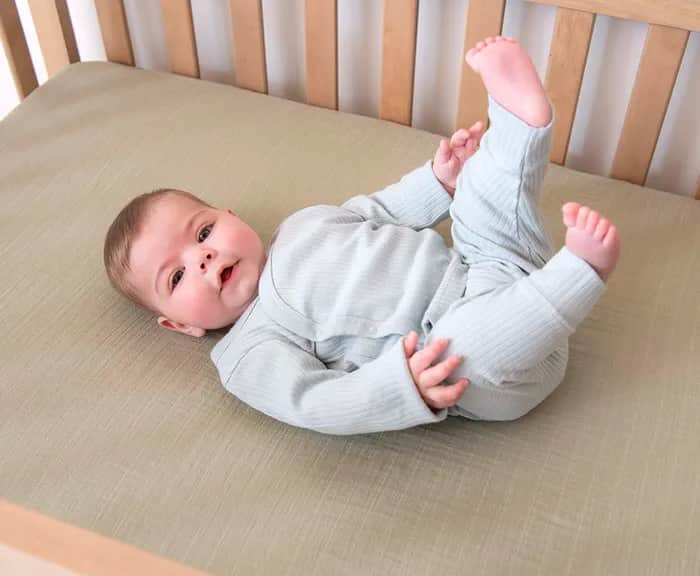
A product that aligns with the guide: Naturepedic Organic Breathable Muslin Crib Sheet
Though this article centers on general bed hygiene, practical examples anchor the guidance in real-world choices. Consider the Naturepedic Organic Breathable Muslin Crib Sheet as a case study in materials that combine comfort with cleanliness. Made from GOTS-certified organic cotton, this crib sheet emphasizes breathability and skin-friendly fabrics without harsh chemicals. While designed for cribs, its principles—soft, organic cotton, simple care, and durability—resonate with bed hygiene across the adult and infant sleep spaces alike. This product stands as a reference point for readers evaluating hypoallergenic choices and care-label considerations when selecting bedding.
If you’re curious to explore products that embody the ethos described, here is a linked option for readers to review in-context with the guide’s recommendations. Note that product selections appear here for illustrative purposes and readers should consult their own care labels and manufacturer instructions before laundering or use.