Bed covers are essential components of a well-rounded sleep environment, offering protective layers for mattresses and contributing to interior aesthetics. This category highlights fabrics, weave types, and finishes that influence breathability, durability, and ease of care. Understanding material composition helps users select bed covers aligned with climate, allergies, and daily use needs while integrating the keywords bedding and nursery into practical contexts.
Key features of commonly used bed covers include fabric fiber content, thread count, and weaves such as percale, sateen, or jacquard. These characteristics impact comfort, temperature regulation, and moisture management, which are crucial for a restful night’s sleep. Selecting appropriate bed covers supports long-term mattress protection, reducing wear and staining over time.
In nursery settings, bed covers play a pivotal role in safeguarding sensitive babies and ensuring safe sleep environments. Organic and low-irritant materials are favored for cribs and early bedding, offering hypoallergenic properties and minimal chemical exposure. Clear labeling and verified fabric certifications help caregivers choose nursery-ready bed covers with confidence.
When considering compatibility with organic crib mattresses or organic mattresses, bed covers should provide a snug fit, easy laundering, and colorfast durability. Features like wrinkle resistance, stain resistance, and breathable weaves contribute to ongoing cleanliness and simplicity in daily maintenance, aligning with routines in family households and care facilities.
Examples of relevant product attributes include moisture-wicking performance, antimicrobial finishes, and compatibility with free new bedcover options that emphasize practical benefits such as washability and quick-dry properties. Understanding these aspects enhances awareness of how bed covers integrate with bedding ecosystems and supports informed decisions about bedding, organic mattresses, and nursery bedding needs.
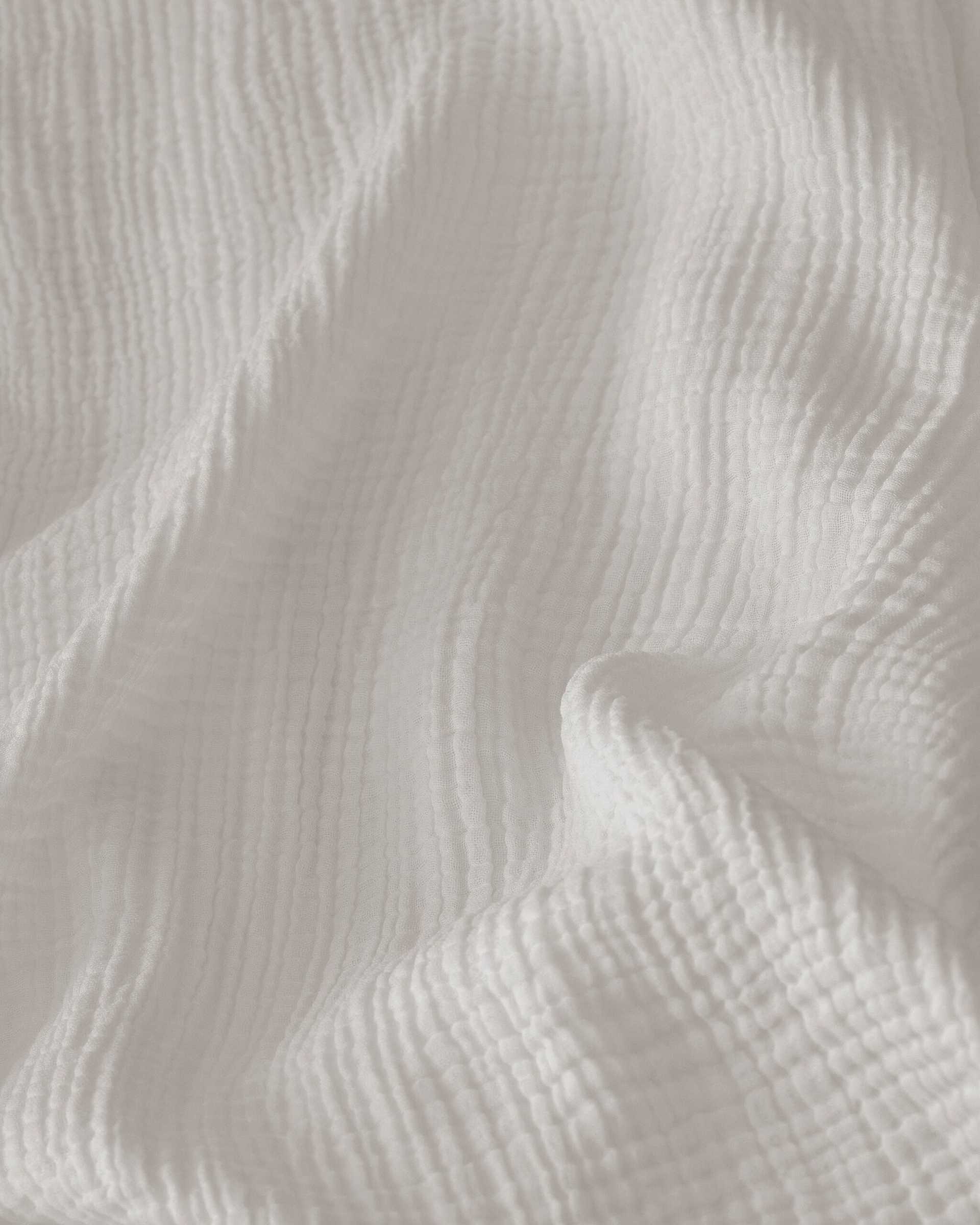 Bedding